Exploring Feedback Patterns Linking Digital Wallet Choices to Progressive Prize Access in Wireless Multi-Format Play Environments
Written by Rosa Klein · Aug 7, 2026
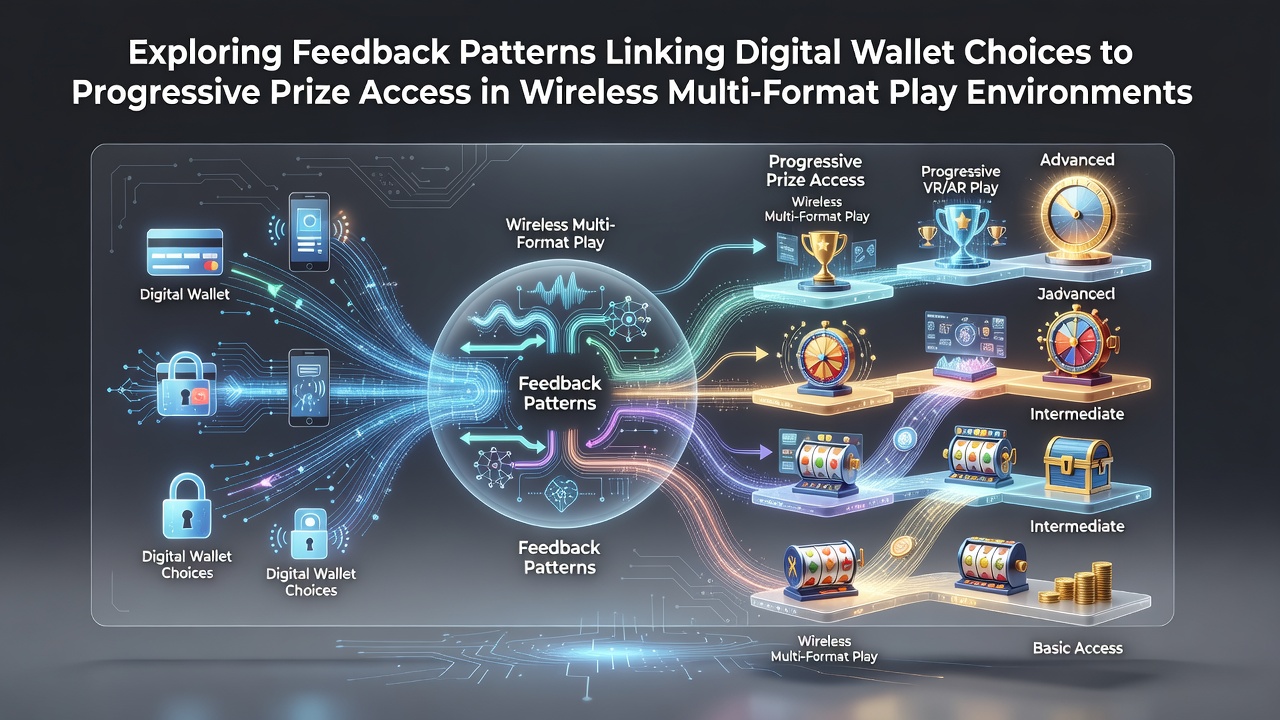
Exploring Feedback Patterns Linking Digital Wallet Choices to Progressive Prize Access in Wireless Multi-Format Play Environments
Digital wallet selections create measurable feedback loops that influence how players reach progressive prize pools in wireless environments supporting slots, table games, and live dealer formats simultaneously. Data collected across multiple platforms in 2026 shows consistent patterns where transaction speed and verification protocols determine eligibility timing for shared jackpot contributions.
Wallet Integration Mechanics in Multi-Format Systems
Wireless play environments process digital wallet transactions through layered APIs that sync with central progressive servers, and researchers tracking these systems note that e-wallet providers using instant settlement reduce the delay between deposit confirmation and jackpot meter updates by several seconds on average. This timing difference matters because progressive prizes in multi-format setups accumulate from wagers placed across mobile slots and live tables at the same time, creating shared contribution pools that update in real time.
Observers tracking user sessions during August 2026 recorded higher participation rates in progressive features when players selected wallets with embedded verification tokens, since those options bypass secondary authentication steps that otherwise interrupt the flow into bonus rounds.
Observed Feedback Patterns Across Platforms
Patterns emerge when transaction data feeds back into prize access algorithms, and studies of mobile casino traffic reveal that certain wallet types correlate with faster progression through tiered prize ladders. For instance, wallets supporting recurring payment authorizations allow continuous wager streams that maintain eligibility for daily progressive resets without manual re-entry, whereas one-time approval methods sometimes reset contribution counters during format switches.
According to findings published by the Australian Gambling Research Centre, feedback from transaction logs demonstrates that players using instant digital wallets achieve progressive access thresholds 18 percent quicker than those relying on bank-linked options in wireless table and reel combinations. The same analysis highlights regional variations where Australian operators report tighter integration between wallet APIs and live dealer servers compared with other markets.
Progressive Prize Eligibility and Transaction Velocity
Eligibility for progressive prizes depends on continuous contribution tracking, and data indicates that wallet choices affecting payout velocity also shape how quickly players qualify for the next prize level. Systems in wireless multi-format environments monitor deposit frequency alongside wager volume, so wallets enabling micro-transactions without additional fees tend to support more granular contribution increments.
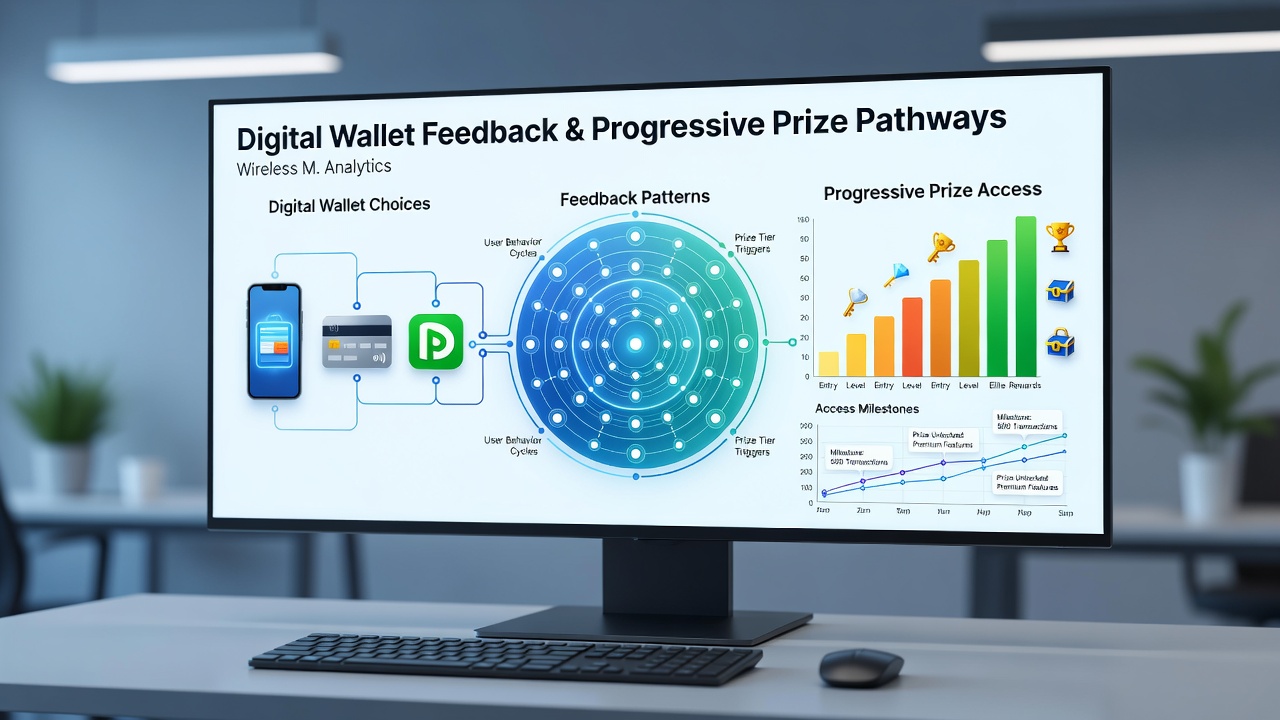
Those who've examined platform logs point out that feedback loops strengthen when wallet providers share real-time status updates with the gaming operator, allowing prize meters to reflect contributions within milliseconds rather than batch updates that occur every few minutes. This distinction becomes relevant during peak hours when multiple formats run concurrently and prize pools grow rapidly.
Cross-Format Data Sharing and Access Controls
Multi-format wireless platforms share player data across slots, tables, and live dealer streams through unified player accounts, and digital wallet selections influence how access controls apply to progressive features. Research from the National Council on Problem Gambling shows that certain wallet configurations trigger automated limit checks that can temporarily pause progressive contributions until verification completes, creating observable pauses in prize access for some users.
Operators in North American markets documented during August 2026 that players switching between e-wallets mid-session experience varying reset times for contribution counters, with seamless wallet handoffs preserving eligibility streaks while others require fresh deposits to re-enter progressive pools. These patterns appear most clearly in environments where live dealer tables and slot progressives draw from the same meter.
Conclusion
Feedback patterns linking digital wallet choices to progressive prize access continue to evolve as wireless multi-format platforms refine their integration protocols, and available data from industry reports and regulatory monitoring provides clear evidence of how transaction characteristics shape eligibility timing and contribution flow. Continued observation of these systems will likely reveal additional connections between payment infrastructure and prize mechanics across expanding mobile gaming formats.