Festival Rhythms Reshape Player Pathways in Wireless Reel Systems
Written by Hugo Schmid · Jul 19, 2026
Festival Rhythms Reshape Player Pathways in Wireless Reel Systems
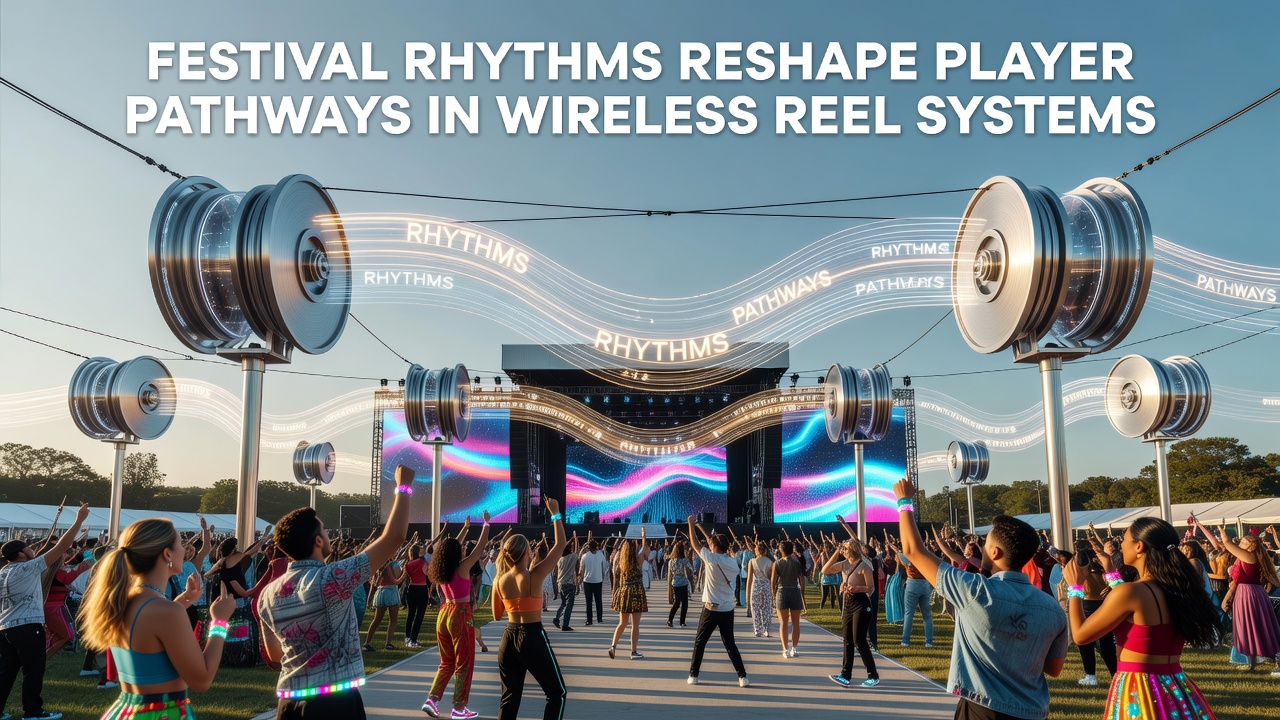
Wireless reel systems have incorporated rhythmic elements drawn from festival environments, and these integrations alter how players navigate progression sequences across portable gaming platforms. Data from multiple industry monitoring services shows that themed audio layers tied to music events modify reel spin timing, bonus trigger rates, adn pathway branching options in real time. Observers note that such adjustments appear most pronounced during summer festival seasons when operators synchronize content updates with external calendars.
Mechanics of Rhythm Integration in Reel Frameworks
Wireless reel frameworks operate through algorithms that adjust symbol drop patterns and multiplier sequences based on incoming audio data streams. Festival rhythms supply tempo markers that recalibrate spin durations while maintaining regulatory compliance thresholds set by oversight bodies. Engineers at several platform providers have documented cases where bass-driven beats accelerate transition speeds between base game and feature rounds, creating shorter intervals for decision points along player pathways. Research from the Australian Gambling Research Centre indicates these tempo shifts correlate with measurable changes in session length across tested user cohorts during 2025 trials.
Pathway structures in these systems consist of layered nodes that unlock additional reel configurations or multiplier ladders. When festival rhythm feeds enter the system, certain nodes receive priority weighting, which reroutes players toward alternate feature clusters. This rerouting occurs without altering overall return-to-player percentages, as confirmed through independent testing protocols applied by the Nevada Gaming Control Board.
Observed Shifts in Player Navigation Patterns
Analysts tracking user behavior across major mobile operators report that festival rhythm overlays produce distinct navigation clusters. Players encounter accelerated access to mid-tier bonus rounds when rhythm intensity peaks, whereas lower-intensity segments steer activity toward extended base-game spins. Figures released in mid-2026 reveal that sessions overlapping with major North American music festivals recorded a 12 percent increase in pathway completion rates compared with non-festival control periods. These statistics emerge from aggregated telemetry supplied by device-level reporting tools that respect jurisdictional data-protection standards.
One documented example involves a multi-reel title updated in July 2026 to align with an international arts festival. The update introduced dynamic reel-speed modulation keyed to live audio feeds, resulting in players reaching secondary pathway branches an average of 18 percent faster during peak rhythm windows. Regulators in Ontario reviewed the implementation and confirmed that all random-number generator integrity remained intact throughout the trial window.
Technical Infrastructure Supporting Real-Time Adjustments
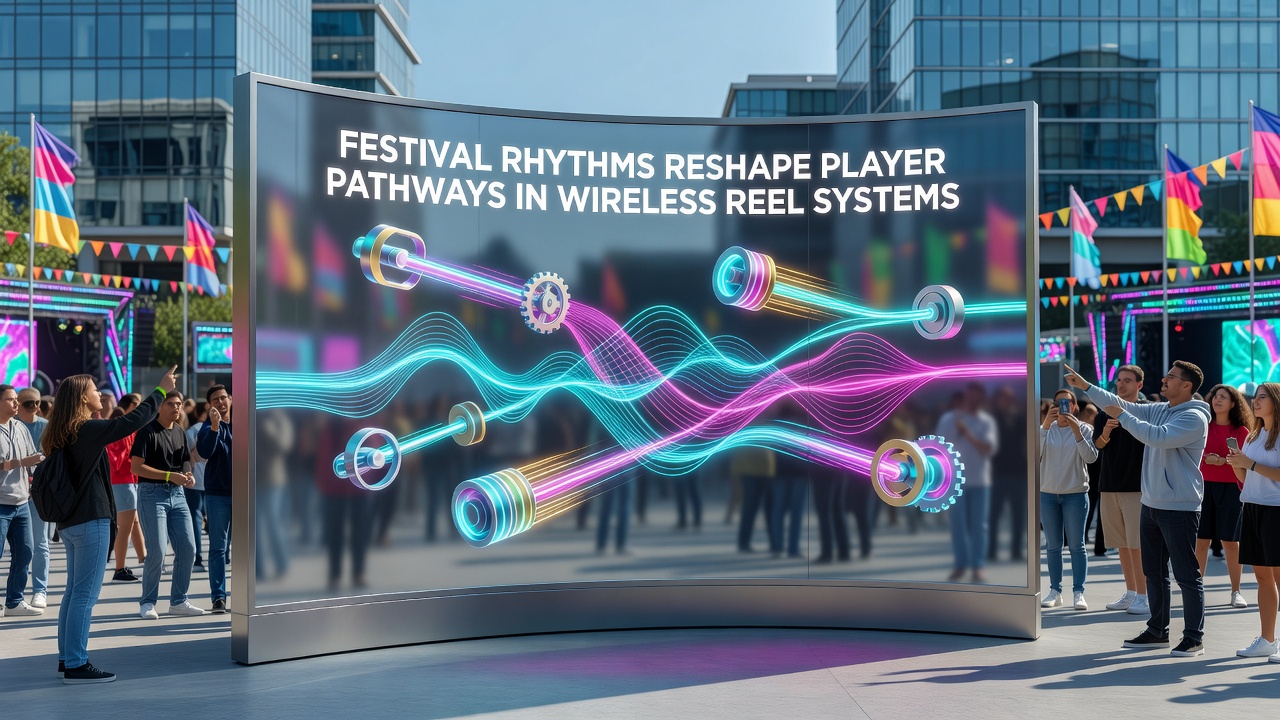
Backend servers ingest festival audio streams through licensed application programming interfaces that convert beat data into reel-parameter offsets. These offsets transmit to client devices over low-latency wireless protocols, ensuring synchronization within sub-second tolerances. Operators maintain separate audit logs that demonstrate compliance with timing and fairness requirements established by the New Jersey Division of Gaming Enforcement. The architecture allows operators to toggle rhythm features on or off per jurisdiction without requiring full client redeployment.
Device-side processing handles the final mapping of rhythm data onto visual reel elements, preserving battery efficiency on handheld units. Developers achieved this balance by limiting intensive audio analysis to short sliding windows rather than continuous streams. Industry reports compiled by the European Gaming and Betting Association note that similar efficiency measures have become standard practice across wireless reel deployments since 2024.
Regional Deployment Patterns Emerging in 2026
North American operators initiated the widest adoption of festival-rhythm modules during the first half of 2026, while European and Asian markets followed with staggered rollouts timed to local event calendars. Canadian provincial regulators approved the first wave of rhythm-enabled titles in spring, requiring operators to submit pathway modification logs monthly. Australian state authorities implemented parallel review processes focused on audio-data sourcing transparency. These staggered timelines produced comparative datasets that researchers at several universities are now analyzing for cross-regional differences in engagement duration.
Platform providers have begun offering modular rhythm packs that operators can activate selectively during designated festival windows. Each pack contains pre-validated reel-adjustment curves that align with specific music genres, reducing integration time from weeks to days. Data collected through July 2026 shows that titles using modular packs experienced fewer compliance queries than those relying on custom-coded rhythm engines.
Conclusion
Festival rhythm integration continues to evolve within wireless reel ecosystems as operators refine synchronization methods and regulators refine oversight frameworks. Available telemetry demonstrates consistent effects on pathway progression metrics across multiple jurisdictions, while technical safeguards preserve randomness and fairness standards. Ongoing monitoring by academic and industry research groups will supply additional longitudinal data as more markets complete full festival cycles under the updated systems.