Following the Money Trail: How Payment Innovations Drive Bonus Accessibility in Smartphone-Based Table and Slot Games
Written by Frankie Klein · Jul 31, 2026
Following the Money Trail: How Payment Innovations Drive Bonus Accessibility in Smartphone-Based Table and Slot Games
Payment systems have evolved rapidly in smartphone-based gaming environments, and recent developments through July 2026 show how these changes reshape access to bonuses in table games and slots. Data from multiple jurisdictions indicates that faster transaction methods reduce the time between deposit and reward activation, allowing players to engage with mobile platforms more directly. Observers note that seamless integrations between banking apps and gaming software create pathways where funds move instantly, which in turn triggers bonus eligibility without manual verification steps in many cases.
Core Mechanisms Behind Payment-Driven Bonus Flows
Real-time settlement technologies form the backbone of these shifts, since they connect user accounts to gaming servers through encrypted channels that verify balances in seconds rather than minutes. When a deposit clears via digital wallet or instant bank link, the system automatically checks against promotional rules and credits qualifying bonuses to the user's mobile balance. This process applies equally to slot reels and live table interfaces, where software recognizes the incoming transaction and unlocks layered rewards such as matched funds or free rounds. Researchers at academic institutions tracking digital entertainment have documented how API connections between payment providers and casino operators eliminate delays that once blocked immediate play after funding.
Security protocols embedded in these payment rails further support bonus distribution by confirming user identity at the point of transaction. Multi-factor authentication tied to the banking app itself replaces separate login checks, which streamlines entry into bonus-eligible games. Those who monitor industry reports point out that regions with advanced open-banking regulations see higher rates of successful bonus redemptions on handheld devices because verification happens in the background while the user selects a table or slot title.
Regional Data Patterns Emerging in Mid-2026
Figures released in July 2026 from the New Jersey Division of Gaming Enforcement reveal steady growth in mobile transaction volumes that correlate with increased bonus claims across both slot and table categories. Similar patterns appear in Australian regulatory summaries, where instant payment adoption tracks closely with session starts that include promotional elements. These datasets show that when settlement times drop below ten seconds, the proportion of deposits converted into active bonus play rises measurably compared with slower methods.
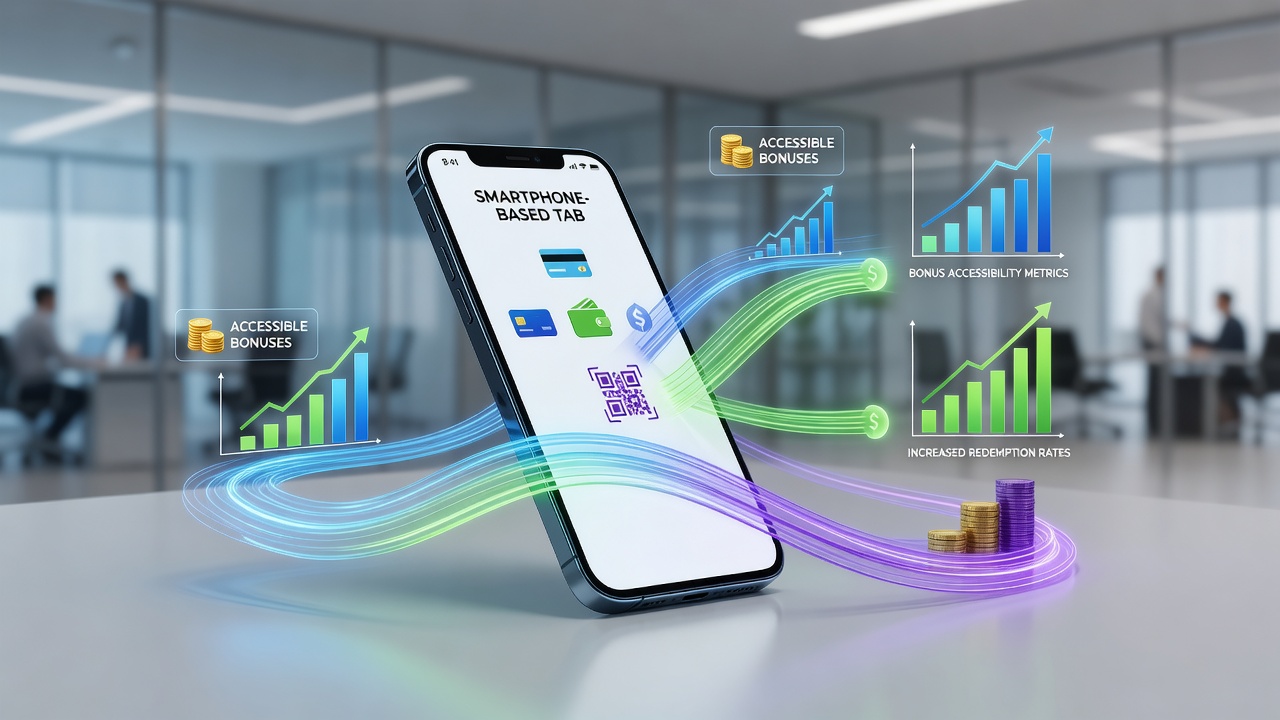
Payment gateway providers have introduced features such as recurring deposit triggers that automatically apply seasonal or event-based bonuses once a threshold is met. In practice this means a player funding a smartphone slot session can receive an instant multiplier on winnings without navigating separate menus, while table game participants see the same logic apply to side bets or progressive pools. The technical architecture relies on standardized data fields that gaming apps read directly from the payment confirmation, reducing friction that previously required players to claim rewards manually.
Integration Challenges and Solutions Across Platforms
Compatibility between diverse payment rails and legacy gaming software still requires ongoing adjustments, yet updates rolled out in the first half of 2026 demonstrate measurable progress. Developers now embed compliance checks inside the transaction layer itself, so regulatory requirements around responsible play limits activate automatically when bonuses are credited. This approach keeps mobile table and slot environments aligned with varying state and national rules without interrupting the user flow.
Industry associations have published guidelines that encourage uniform data exchange formats, which helps smaller operators adopt the same bonus-triggering capabilities already common among larger platforms. Evidence from these reports indicates that standardized protocols lower the barrier for instant reward access, particularly on devices running newer operating systems where background processing handles verification efficiently.
Conclusion
Payment innovations continue to reshape how bonuses reach users in smartphone-based table and slot games by shortening the interval between funding and reward activation. Data collected through July 2026 across multiple regulatory environments confirms that faster, more integrated transaction systems expand accessibility without altering the underlying game mechanics. As these technologies mature, the pathways connecting deposits to promotional benefits remain central to mobile gaming operations worldwide.