How Authentication Timelines Steer Reward Stacking Across International Digital Wagering Networks
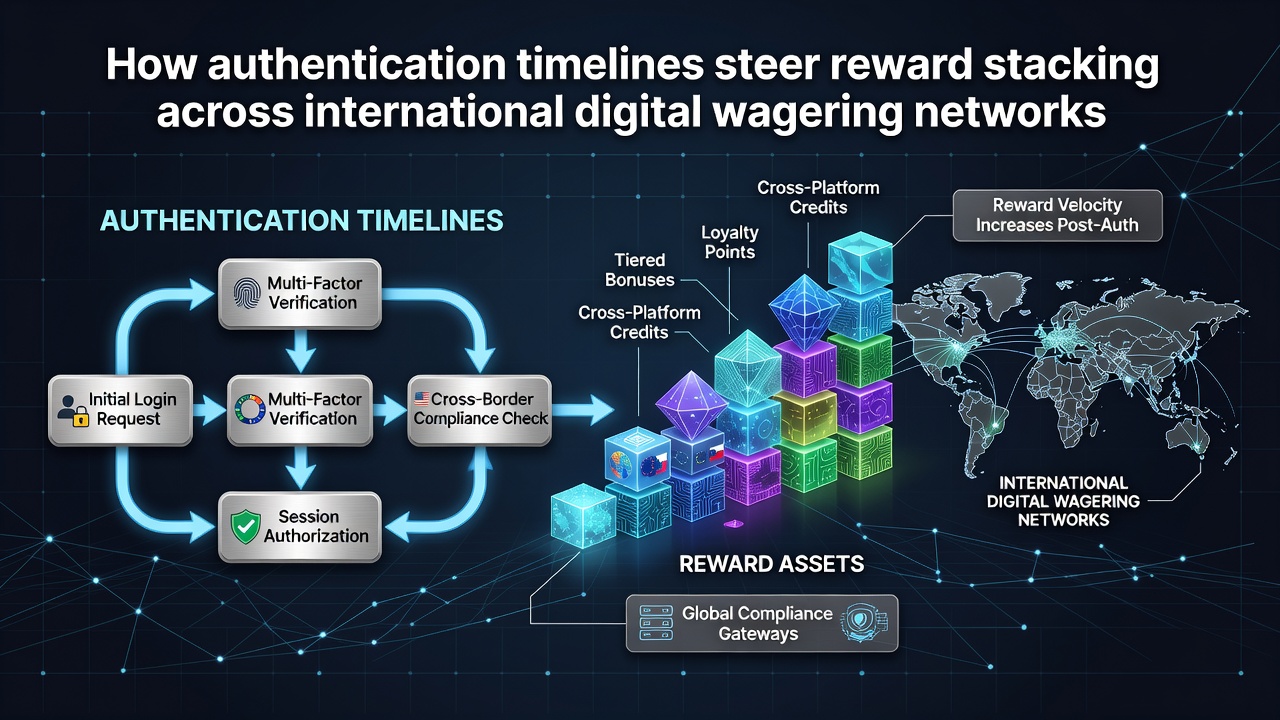
Authentication timelines determine how quickly users gain access to layered reward programs in digital wagering environments spanning multiple countries, and operators structure these processes around regulatory requirements that vary by jurisdiction while still allowing simultaneous bonus accumulation across platforms. Observers note that shorter verification windows enable players to activate multiple promotional layers before time-sensitive offers expire, whereas extended checks often limit stacking potential because rewards require completed identity confirmation first.
Regional Authentication Variations Shape Stacking Opportunities
European markets rely on standardized know-your-customer protocols that typically complete within 24 to 48 hours when users submit clear documentation, yet operators in Asia-Pacific regions extend these windows because additional cross-border compliance steps apply, and those differences directly affect how fast users can combine welcome bonuses with ongoing loyalty multipliers on the same account. North American platforms often integrate real-time biometric checks that reduce timelines to under six hours in many cases, allowing reward stacking to begin almost immediately after initial deposits land in player accounts. Data from industry reports shows that platforms operating across both regions adjust their internal clocks to synchronize these processes so users do not miss overlapping promotional periods.
Technical Mechanisms Behind Timeline Control
Automated document scanning combined with third-party identity services creates the core timeline structure, while manual reviews trigger when discrepancies appear in submitted information, and these manual interventions can stretch verification from hours into days across international networks. Reward stacking mechanics depend on this sequence because most platforms require full authentication before crediting layered incentives such as deposit matches, free spin packages, and cashback tiers simultaneously. Operators integrate API connections between verification providers and bonus engines so that once authentication clears, multiple reward categories activate without further delay, yet any lag in the verification step blocks the entire stacking sequence until completion.
Impact on Cross-Border Player Activity in Mid-2026
By July 2026 several major networks had synchronized their authentication systems with updated international data-sharing agreements, which shortened average verification times in participating jurisdictions and increased the frequency of multi-platform reward stacking, according to figures released by regulatory bodies in Canada and Australia. Players who maintain accounts across different countries discover that faster clearances allow them to combine region-specific promotions without waiting periods between activations, whereas slower networks still impose sequential limitations that reduce overall stacking volume. Research from academic studies on digital transaction flows indicates that these timeline differences create measurable patterns in user behavior, with quicker authentication correlating to higher engagement across multiple reward layers.
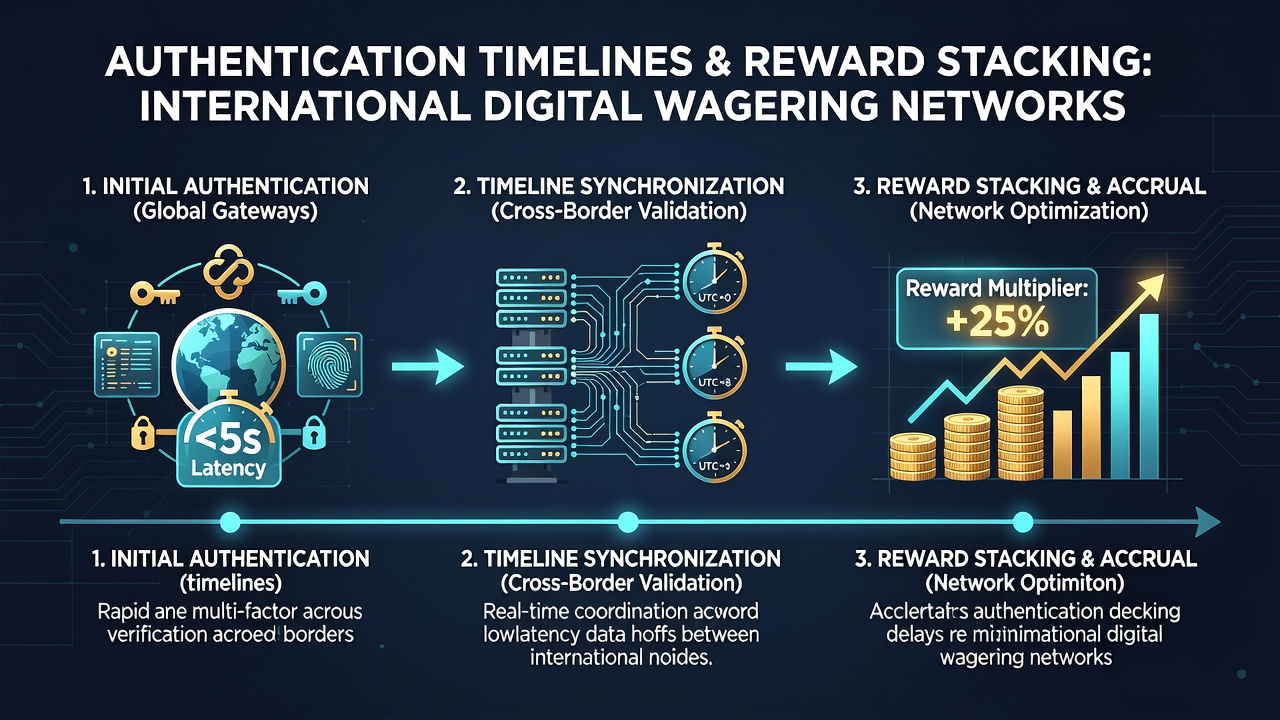
Payment method choices further influence these timelines because certain e-wallet providers complete identity checks in parallel with wagering platform requirements, while bank transfers often require separate confirmation steps that extend the overall process. Observers have tracked how users strategically select faster methods to accelerate stacking windows, and networks respond by offering incentives tied directly to rapid authentication completion. The result appears in aggregated transaction data where shorter verification periods coincide with increased simultaneous use of multiple bonus categories on single accounts.
Regulatory Frameworks and Their Timeline Requirements
Regulatory frameworks in different regions set baseline authentication standards that operators must meet before any rewards activate, and these standards create the outer boundaries within which stacking occurs. Canadian provincial regulators publish periodic updates on verification benchmarks that platforms use to calibrate their internal systems, while Australian state authorities maintain separate guidelines that emphasize ongoing monitoring after initial approval. These varying rules mean that a user verified quickly in one jurisdiction may still face additional checks when accessing rewards from operators based elsewhere, yet integrated networks now employ shared verification ledgers to reduce duplication. Industry organizations report that such shared systems have become more common by mid-2026, allowing reward stacking to proceed across borders once the primary authentication clears.
Future Adjustments in Authentication and Reward Integration
Platform operators continue refining authentication sequences to balance regulatory compliance with faster reward access, and emerging technologies such as decentralized identity protocols show promise for further timeline reductions without compromising security standards. Those who study these systems note that continued synchronization across international networks will likely expand stacking opportunities as verification becomes more uniform. Yet regional differences persist because local laws dictate specific documentation thresholds, and operators must maintain separate compliance tracks even when technical integration advances.
Conclusion
Authentication timelines function as the primary control point for reward stacking across international digital wagering networks because they dictate when layered incentives become available to users. Regional variations in verification speed create distinct patterns in how players accumulate and combine bonuses, while technical and regulatory developments continue to reshape these timelines. Data from multiple jurisdictions shows that shorter, synchronized processes support greater stacking activity, and ongoing refinements in verification technology point toward further integration in the years ahead.