How Emerging Transaction Bridges Are Redefining Layered Incentive Flows in Mobile Reel and Dealer Environments
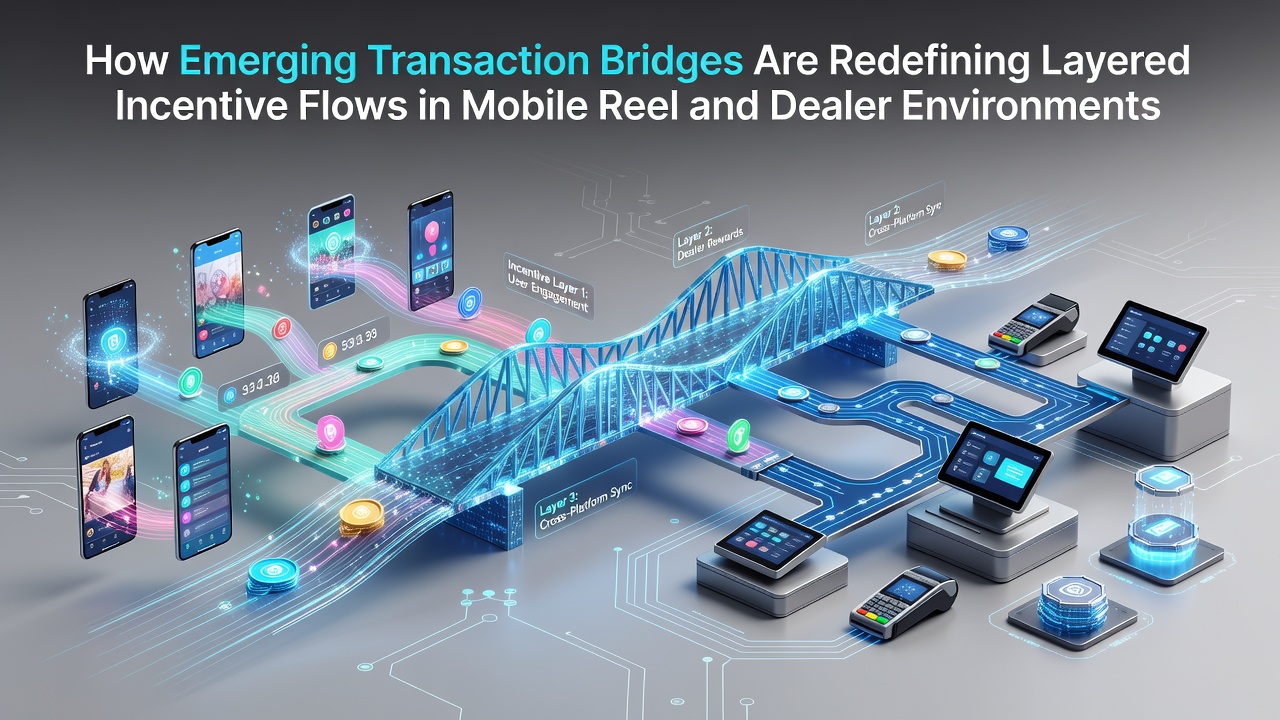
Transaction bridges have started connecting payment systems directly to reward structures in mobile gaming platforms, and this shift affects how incentives flow through reel-based games and live dealer sessions. Data from industry monitoring services shows that these bridges enable real-time settlement between deposits and multi-tiered bonuses, creating pathways that adjust based on transaction velocity and player activity patterns.
The Mechanics Behind Transaction Bridges
These systems operate as intermediary layers that link financial rails to casino management platforms, allowing operators to route funds while simultaneously activating incentive tiers without manual intervention. Research indicates that transaction bridges reduce latency between deposit confirmation and reward allocation from several minutes to under ten seconds in many implementations, and this speed supports layered structures where initial deposits unlock base rewards while subsequent activity triggers higher tiers. Observers note that the technology integrates with existing wallet systems, pulling data on transaction size, frequency, and method to determine eligibility across both slot reels and live dealer tables.
Payment providers have expanded these capabilities through APIs that communicate directly with gaming servers, and figures from platform operators reveal that such integrations now handle a growing share of mobile session funding in regulated markets. What's notable is how these bridges accommodate varied funding sources, from digital wallets to bank transfers, while maintaining consistent incentive delivery across different game formats.
Effects on Mobile Reel Environments
In reel-based mobile games, transaction bridges have altered how bonus rounds and multiplier systems activate following deposits. Platforms using these bridges often tie reel spins to progressive incentive layers, where faster settlements correspond to access to additional free spin pools or enhanced symbol combinations. Studies from gaming analytics firms indicate that operators deploying bridge technology report measurable increases in session duration when incentives scale automatically with transaction data, particularly in titles that combine base reel mechanics with accumulating reward multipliers.
One implementation tracked by industry reports showed that players completing deposits through bridged systems reached higher incentive tiers 35 percent more frequently than those using traditional processing routes, and this pattern held across multiple mobile reel titles. The bridges also enable dynamic adjustment of incentive flow, shifting available rewards based on real-time balance updates without requiring separate bonus claims.
Changes in Live Dealer Settings
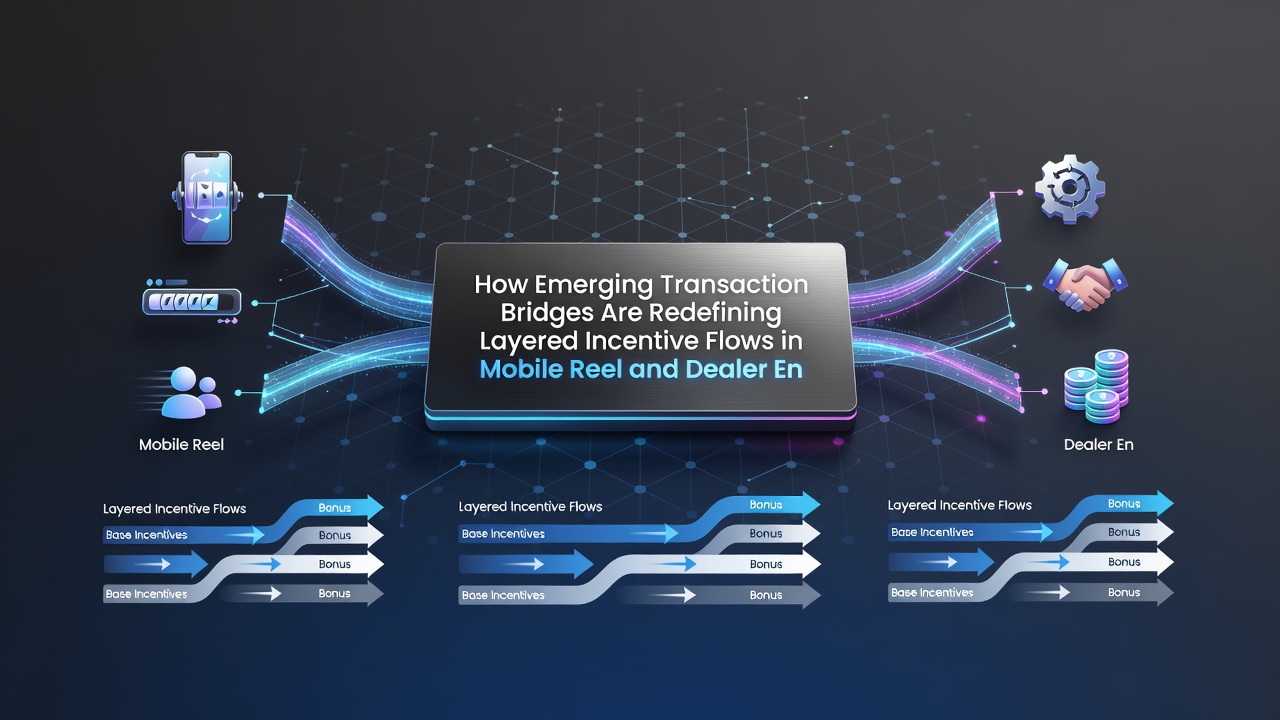
Live dealer environments present distinct requirements for incentive layering because table games operate on continuous rounds rather than discrete spins, and transaction bridges address this by syncing deposit events with ongoing table activity. According to data shared by platform developers, these systems now feed transaction details into dealer software interfaces, allowing rewards such as enhanced betting limits or side bet multipliers to appear based on verified funding activity. In July 2026, several major mobile operators updated their live dealer modules to include bridge-driven incentive triggers that activate mid-session without interrupting gameplay flow.
The technology supports layered structures where initial deposits grant table access credits while sustained play through bridged transactions unlocks progressive benefits like reduced rake or exclusive round participation. Reports from regulatory filings show that these features maintain compliance tracking because every incentive allocation logs back to a specific transaction record, creating clear audit trails for both reel and dealer segments.
Layered Incentive Structures in Practice
Layered incentives typically follow a progression model where transaction size and timing determine tier advancement, and bridges facilitate this by passing verified data points directly to reward engines. Industry documentation describes three common layers: entry-level access granted on deposit confirmation, mid-tier benefits triggered by cumulative activity, and premium rewards unlocked through sustained engagement across multiple sessions. Mobile platforms that incorporate transaction bridges report smoother transitions between these layers because settlement occurs in the background while players move between reel games and dealer tables.
Examples from operational platforms demonstrate how a single deposit can initiate incentives that apply differently depending on whether the player selects reel or dealer content, with the bridge routing appropriate reward parameters to each game server. This approach reduces fragmentation in incentive delivery and allows operators to maintain consistent progression logic across diverse mobile formats.
Integration Patterns Across Markets
Regulatory bodies in multiple jurisdictions have begun reviewing how transaction bridges interact with responsible gaming controls, and documentation from the Nevada Gaming Control Board highlights requirements for transparent logging of incentive activations tied to financial transactions. Similar oversight appears in other regions, where authorities examine whether bridge systems preserve player spending limits while enabling layered rewards. Operators have responded by building compliance checkpoints into the bridge architecture itself, ensuring that incentive flows pause or adjust when predefined thresholds are reached.
Market data collected through 2026 shows continued expansion of bridge usage in mobile environments, particularly where operators seek to unify reward experiences across reel and dealer offerings without separate promotional systems. The pattern suggests that these technologies will continue shaping how incentives connect to player funding activity in portable gaming settings.
Conclusion
Emerging transaction bridges continue to influence how layered incentives operate within mobile reel and dealer environments by streamlining the connection between payments and reward delivery. The systems support real-time tier adjustments, maintain compliance records, and apply consistent logic across different game types. As adoption grows, the structures enable operators to manage incentive flows with greater precision while preserving the distinct characteristics of reel mechanics and live dealer rounds.