How Regional Licensing Variations Influence Multi-Game Bonus Synchronization on Handheld Platforms
Written by Rosa Klein · Aug 18, 2026
How Regional Licensing Variations Influence Multi-Game Bonus Synchronization on Handheld Platforms
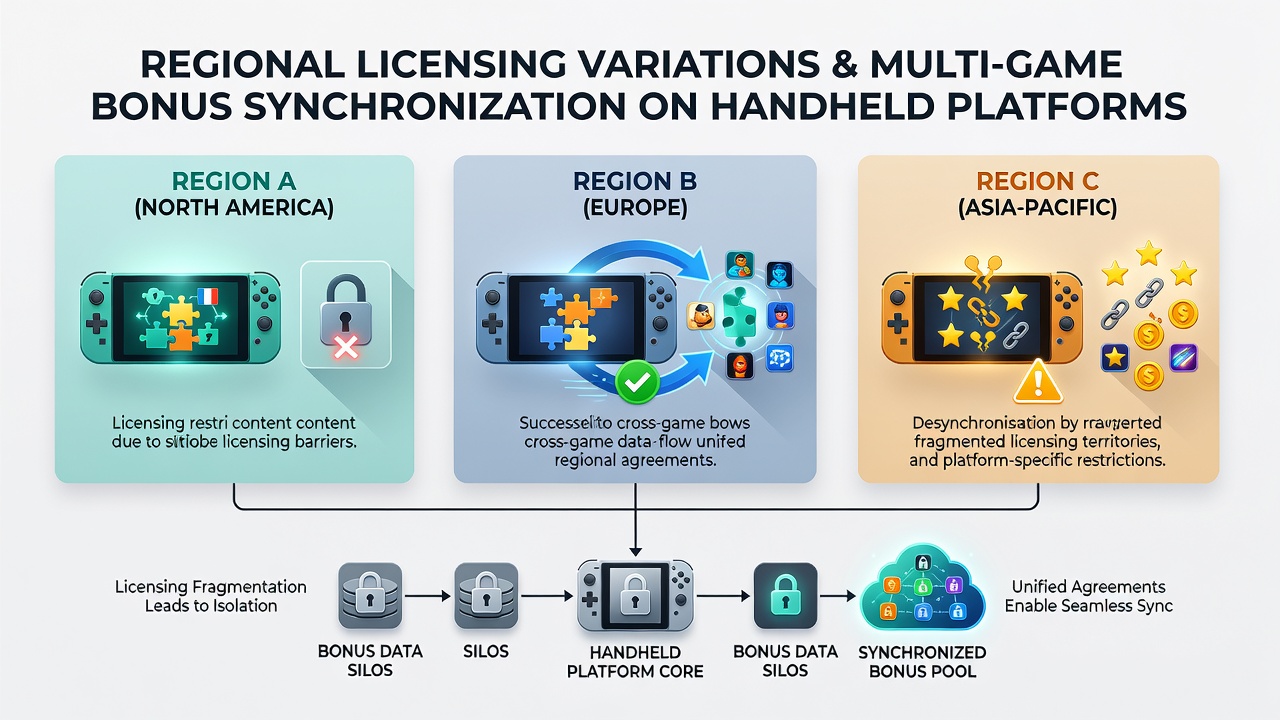
Regional licensing variations shape how operators handle multi-game bonus synchronization across handheld platforms, and the differences emerge clearly when comparing regulatory frameworks in North America, Europe, and Asia-Pacific markets. Licensing bodies set distinct rules on bonus mechanics, cross-game promotions, and data sharing protocols that directly affect whether players can access synchronized rewards on mobile devices without interruption.
Licensing Structures Across Key Regions
Operators must navigate separate approval processes in each jurisdiction, and these processes determine the technical requirements for bonus synchronization systems. In the United States, state-level gaming authorities such as the New Jersey Division of Gaming Enforcement require specific certifications for any feature that links bonuses between slot and table games on mobile applications. Canadian provinces maintain their own standards through bodies like the Alcohol and Gaming Commission of Ontario, where rules emphasize real-time transaction tracking that influences how bonuses transfer between handheld sessions. Australian regulators apply a different approach under the Interactive Gambling Act, focusing on player protection measures that can restrict automatic bonus syncing until manual verification occurs.
Technical Implications for Bonus Synchronization
Multi-game bonus synchronization relies on shared player accounts and real-time data exchange, yet licensing conditions often limit the scope of these connections. Some regions mandate that bonus balances reset when a player switches between game categories, while others permit seamless transfers provided the operator maintains audit logs accessible to regulators. Handheld platforms add another layer because mobile operating systems and network variability require additional compliance checks that desktop systems avoid. Data from industry reports indicate that synchronization failures occur more frequently in markets with fragmented licensing because operators cannot deploy unified backend systems across borders.
Case Examples from August 2026 Developments
During August 2026, several operators adjusted their mobile offerings after regulatory updates in multiple regions took effect. One platform revised its bonus engine to comply with new Canadian provincial guidelines that demand separate bonus pools for slots and live dealer tables, and this change eliminated automatic synchronization features for users in those jurisdictions. In contrast, operators licensed in certain European markets continued to offer cross-game rewards because their local frameworks allow integrated reward ledgers. Observers note that these adjustments reflect ongoing efforts by regulators to balance innovation with consumer safeguards, and the resulting patchwork creates distinct user experiences depending on geographic location.
Challenges for Operators and Platform Developers
Platform developers face ongoing pressure to build modular systems that adapt to each region's licensing demands without compromising core functionality. When licensing rules prohibit certain data transfers, developers must insert regional locks that pause bonus synchronization until the player meets local conditions. This approach increases development costs and extends testing timelines, particularly when handheld devices must handle multiple regulatory profiles simultaneously. Research indicates that operators serving users across several licensed markets allocate significant resources to compliance teams that monitor rule changes and update synchronization logic accordingly.
Player Experience and Access Patterns
Players encounter different synchronization behaviors based on their location and the licenses held by the operator they choose. In regions with permissive cross-game rules, users report smoother transitions when moving from slot bonuses to table game rewards on the same handheld session. Markets with stricter separations often require players to complete separate wagering requirements for each game type before accessing combined rewards. Figures from regulatory filings reveal that these variations affect engagement metrics, with some areas showing higher mobile session lengths where synchronization operates without restriction.
Industry associations such as the Canadian Gaming Association have published guidance on best practices for managing regional compliance while maintaining functional mobile platforms. Similar organizations in other regions provide parallel resources that help operators map licensing requirements to technical implementations.
Future Outlook and Emerging Standards
As handheld technology advances and more jurisdictions update their licensing frameworks, synchronization capabilities will likely continue evolving in response to new regulatory priorities. Some markets are exploring harmonized standards that could reduce friction for operators serving multiple regions, while others reinforce local controls to address specific consumer protection goals. Data collected through August 2026 shows incremental shifts in how operators configure bonus systems, suggesting that licensing variations will remain a central factor in platform design for the foreseeable future.
Conclusion
Regional licensing variations create measurable differences in how multi-game bonus synchronization functions on handheld platforms, and operators must adapt their systems to meet each jurisdiction's distinct requirements. These adaptations influence technical architecture, player access patterns, and development priorities across the industry, with ongoing regulatory updates shaping the landscape as markets mature.