Mapping User Habit Data to Customized Prize Pathways in Digital Reel and Card Simulations
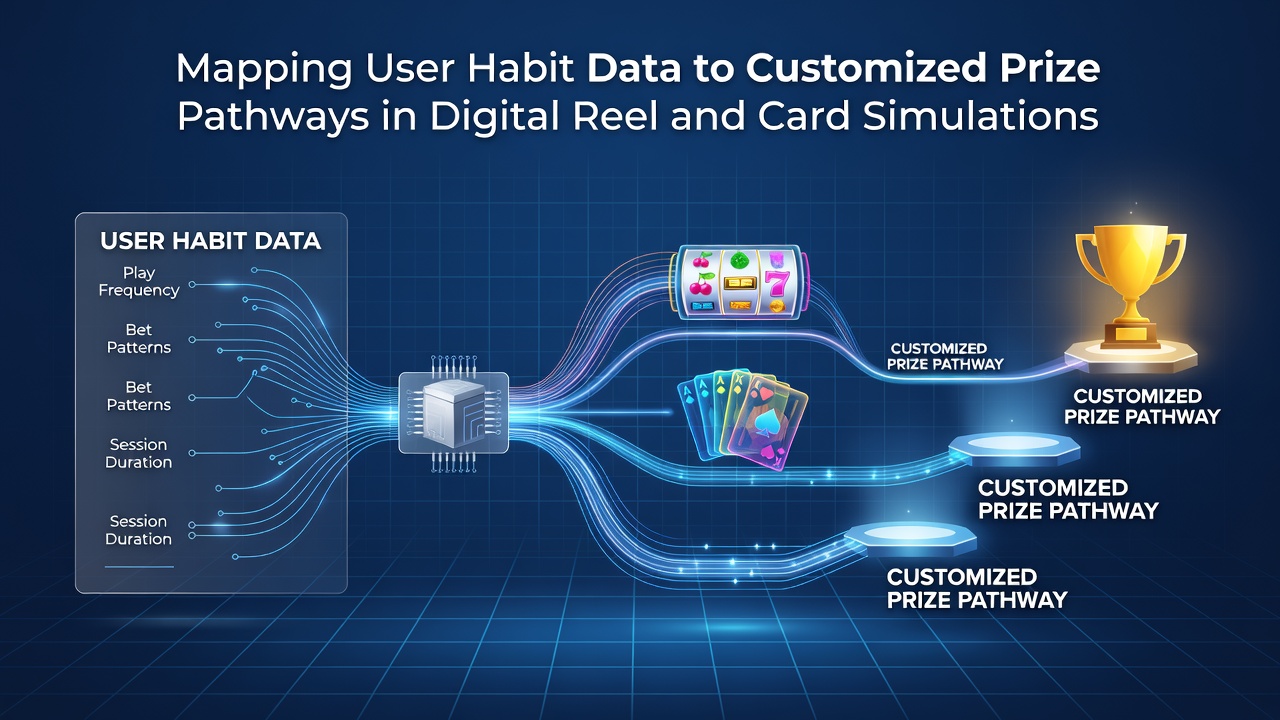
Digital platforms that simulate reel and card games now rely on detailed analysis of player activity to shape individualized reward structures, and this approach connects behavioral patterns directly to sequences of prizes that adjust over time. Data collection begins with metrics such as session duration, wager frequency, preferred game types, and response to previous incentives, after which specialized systems organize these inputs into structured pathways that deliver tailored outcomes in both reel-based and card-based environments.
Core Data Inputs and Collection Methods
Platforms gather information from every interaction within reel simulations, where spin counts and symbol patterns reveal engagement levels, while card simulations track decisions like hit or stand choices along with bet sizing across multiple rounds. These inputs feed into centralized databases that update continuously, and analysts note that June 2026 reports from the Nevada Gaming Control Board highlighted increased use of such tracking tools across licensed operators. The process avoids static rules by incorporating real-time adjustments based on cumulative habits rather than isolated events.
Algorithmic Mapping Techniques
Once raw data enters the system, mapping algorithms sort user tendencies into categories that correspond to distinct prize sequences, for instance linking frequent short sessions on reels to pathways offering incremental free spin multipliers while routing longer card game sessions toward tiered payout escalations. Researchers at institutions like the University of Nevada, Las Vegas have documented how decision trees and clustering methods convert these patterns into dynamic routes, and the resulting structures allow platforms to present prizes that align with observed behaviors without requiring manual intervention. This mapping occurs through layered models that weigh recent activity more heavily than older records, creating pathways that evolve alongside player habits.
Application in Digital Reel Simulations
Reel environments benefit from habit mapping when systems identify clusters such as high-volatility preferences or steady low-stake play, then route those users toward prize paths that include targeted symbol-triggered bonuses or progressive elements scaled to their history. Observers note that these customized sequences often appear during peak activity windows, and data from the Alcohol and Gaming Commission of Ontario shows measurable differences in retention metrics when such personalization operates across multiple reel titles simultaneously. The pathways function as branching structures where each completed segment unlocks subsequent options based on continued adherence to the mapped profile.

Implementation Within Card Simulations
Card-based formats apply similar mapping by analyzing strategic choices and risk tolerance indicators, which allows platforms to construct prize pathways that deliver customized side bets or multiplier opportunities at decision points consistent wth past conduct. Systems distinguish between conservative and aggressive patterns through statistical modeling, then align rewards accordingly while maintaining the underlying game rules. Reports indicate that operators integrate these features into both single-player and multi-hand variants, ensuring that the mapped pathways remain consistent even as users switch between different card titles on the same platform.
Integration Challenges and Technical Considerations
Building functional mapping systems requires coordination between data pipelines and game engines, since any delay in processing habit information can disrupt the intended prize delivery sequence. Technical teams address this through edge computing nodes that handle local analysis before syncing with central servers, and industry documentation emphasizes the importance of encryption standards to protect the underlying behavioral datasets. Regulatory frameworks in multiple jurisdictions now require documentation of how these mappings avoid unintended concentration of play within narrow demographic groups.
Future Developments in Pathway Customization
Emerging techniques incorporate additional variables such as device type and time-of-day patterns into the mapping process, which expands the granularity of prize pathways available in both reel and card formats. Pilot programs tested during early 2026 demonstrated improved synchronization between habit profiles and reward timing, and ongoing refinements focus on reducing latency between data capture and pathway activation. These advancements continue to draw from cross-platform datasets that combine reel and card activity into unified user models.
Conclusion
Mapping user habit data to customized prize pathways represents a systematic method for aligning digital reel and card simulations with individual behavioral records, and the approach continues to evolve through refined algorithms and expanded data sources. Platforms that implement these systems maintain structured sequences that respond to ongoing activity while operating within established technical and regulatory boundaries. The result is a framework where prize delivery follows directly from analyzed patterns rather than uniform distribution methods.