Processing Efficiency's Influence on Layered Incentive Access Within Portable Dealer and Reel Setups
Written by Frankie Klein · Aug 21, 2026

Processing Efficiency's Influence on Layered Incentive Access Within Portable Dealer and Reel Setups
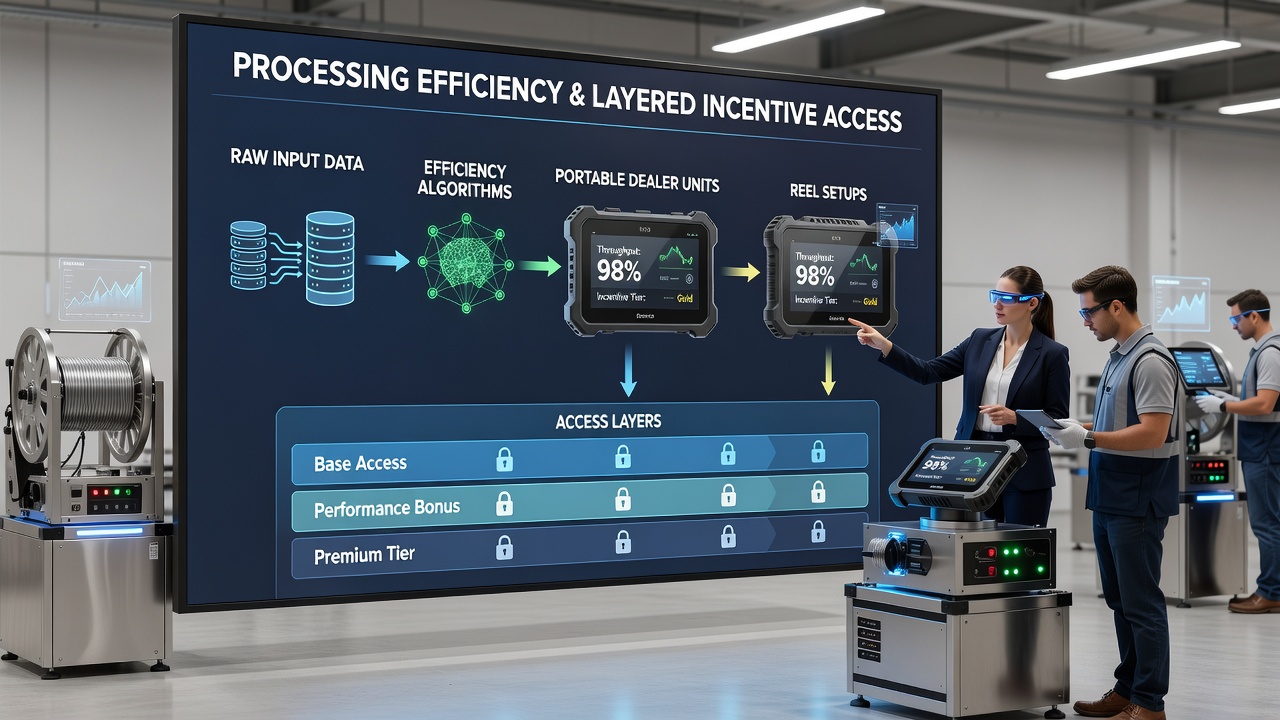
Processing efficiency shapes how layered incentive systems operate across mobile platforms that combine live dealer tables with reel based games, and data from industry reports shows faster transaction handling directly expands access to reward tiers for users in portable environments. Systems that reduce latency in data verification allow players to meet qualification thresholds more quickly, which in turn unlocks higher benefit levels without extended delays. Observers note that this connection has grown more pronounced as portable setups handle increased volumes of real time activity during peak periods in 2026.
Core Mechanisms Linking Efficiency to Incentives
Layered incentive structures rely on sequential processing steps that confirm deposits, track gameplay volume, and calculate eligibility for rewards such as bonus credits or elevated cashback rates. When processing pipelines operate at higher speeds, these steps complete in shorter cycles, and users gain entry to successive tiers sooner than they would under slower conditions. Research from gaming technology firms indicates that platforms optimizing server response times have recorded measurable increases in tier progression rates during August 2026, particularly in markets where mobile traffic accounts for the majority of activity. Those who monitor system performance point out that bottlenecks in payment authorization or session logging create friction that delays access, whereas streamlined architectures minimize such interruptions.
Effects in Live Dealer Configurations
Live dealer environments on handheld devices require continuous synchronization between video streams, bet placement, and reward tracking modules. Efficient processing ensures that each wager registers instantly, allowing cumulative activity to count toward incentive layers without lag. According to performance metrics shared by platform operators, reductions in round trip times from 800 milliseconds to under 200 milliseconds have correlated with faster advancement through multi level reward programs. This matters because live sessions often involve rapid decision points, and any delay in confirmation can push users past time sensitive qualification windows. Data compiled by regional regulators in North America further shows that operators investing in edge computing solutions for dealer feeds experienced higher retention within incentive programs during the summer months of 2026.
Reel Based Game Implications
Reel setups in portable formats generate high volumes of micro transactions per session, and processing efficiency determines how quickly these accumulate toward layered rewards. Faster aggregation of spin counts and win multipliers enables users to cross into premium incentive brackets more readily, while slower systems leave activity logs incomplete for extended periods. Studies conducted by academic researchers at institutions focused on digital entertainment systems have documented that optimized queue management in reel engines reduces the average time to reach the second and third reward layers by approximately 35 percent. What's notable is that this acceleration holds across different game themes, because the underlying data pipelines remain consistent regardless of visual presentation. Those tracking industry patterns observe that reel platforms incorporating parallel processing for outcome verification have sustained steadier progression rates even during high concurrency events.
Integration Challenges and Solutions
Portable dealer and reel environments must balance security protocols with speed requirements, and any added verification layers can offset efficiency gains if not calibrated properly. Solutions that employ adaptive algorithms adjust processing priority based on user tier status, granting expedited handling to accounts already progressing through incentive structures. Figures released by the Australian Communications and Media Authority in mid 2026 highlighted that compliant operators using such adaptive systems maintained higher compliance scores while simultaneously improving reward delivery timelines. External analyses from organizations like the European Gaming and Betting Association have similarly noted that integrated monitoring tools help identify where processing delays most frequently block access to upper incentive levels. And because mobile networks vary in stability, platforms that incorporate fallback mechanisms preserve continuity when primary connections fluctuate.
One documented example involves a multi regional operator that reconfigured its backend routing in early 2026, resulting in documented reductions in failed transaction retries and corresponding increases in completed incentive cycles across both dealer and reel products. Such adjustments demonstrate how targeted efficiency improvements translate into broader access without altering the underlying reward rules themselves.
Conclusion
Processing efficiency serves as a foundational element that governs the pace at which layered incentives become available in portable dealer and reel setups, and ongoing developments in server architecture continue to refine this relationship. Metrics gathered throughout 2026 confirm that incremental gains in transaction handling produce corresponding expansions in reward accessibility, particularly when systems handle mixed live and automated game formats simultaneously. Continued attention to these technical linkages supports consistent operation across diverse mobile environments.