Real-time ledger bridges recalibrating eligibility thresholds for dynamic incentive layers across handheld card and reel ecosystems
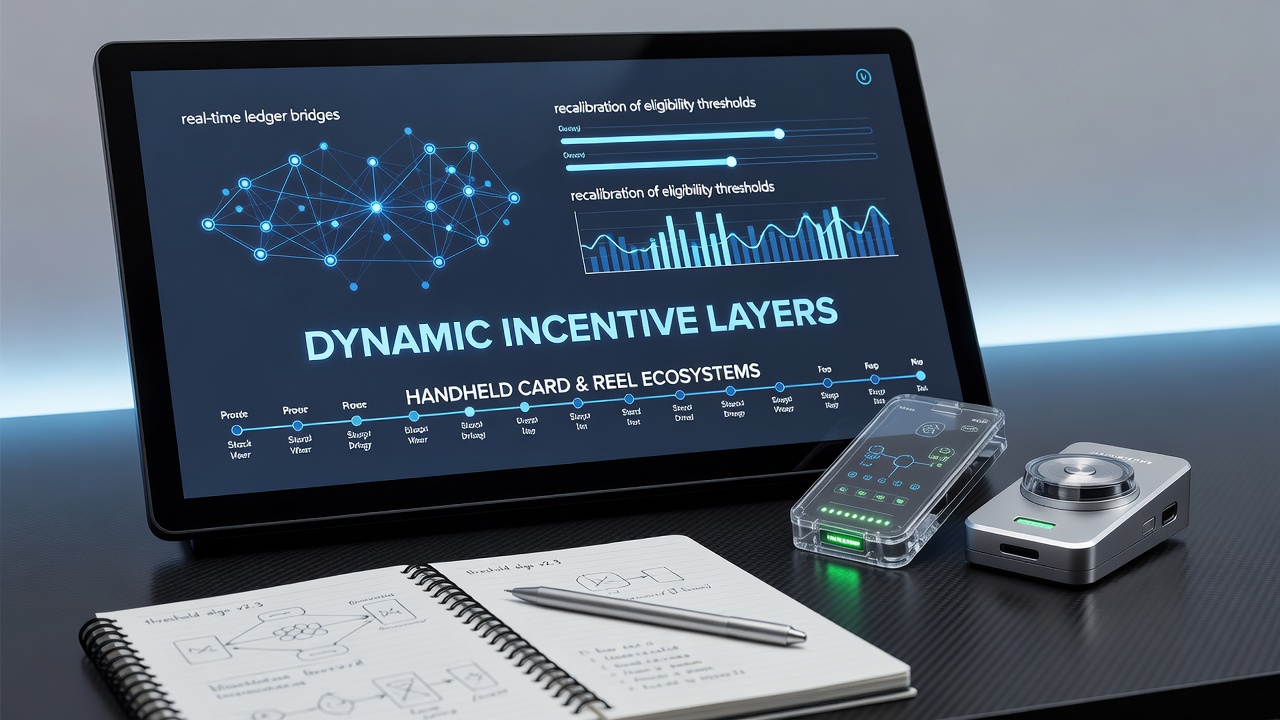
Real-time ledger bridges now connect transaction data across mobile platforms that support card games and reel-based titles, allowing eligibility thresholds for layered incentives to adjust automatically as player activity registers in central systems. These bridges pull live balances, wager histories, and session metrics from handheld devices into unified ledgers that recalibrate reward access without manual intervention from operators.
How ledger bridges operate in portable environments
Systems integrate settlement protocols that link separate game servers for card tables and reel machines, routing updates through encrypted channels that maintain synchronization even during peak usage periods. Data flows from individual devices to a central bridge node where algorithms compare current activity against predefined tiers, then push revised eligibility rules back to the player interface within seconds of each transaction completing.
Observers note that June 2026 updates from several platform providers introduced additional validation layers that cross-check biometric confirmations with ledger entries before thresholds shift, reducing discrepancies that previously delayed incentive unlocks. The process relies on continuous feeds rather than batch processing, which means eligibility for dynamic rewards reflects the most recent completed wagers instead of aggregated daily totals.
Threshold recalibration mechanics for card and reel formats
Eligibility parameters for incentive layers adjust according to formulas that factor in both volume and frequency metrics collected from handheld sessions. Card game environments track decisions per minute and average stake size while reel ecosystems monitor spin sequences and symbol combination rates, feeding both datasets into the same bridge architecture for unified tier evaluation.
Adjustments occur when cumulative activity crosses recalibrated points that account for recent volatility in player patterns, allowing lower-volume sessions to qualify for intermediate rewards if they demonstrate sustained engagement. Those who've examined the protocols report that bridge systems apply weighting factors differently across game types, with card formats often requiring fewer transactions to reach equivalent incentive levels compared to reel titles due to longer decision cycles per round.
Integration with existing mobile transaction networks
Payment gateways already embedded in handheld casino applications now route confirmation signals directly to ledger bridges, enabling incentive recalibrations to incorporate deposit timing and withdrawal patterns alongside in-game performance data. This linkage creates eligibility pathways where recent funding activity can temporarily lower thresholds for specific reward layers, particularly in mixed card and reel environments that share the same user account structure.
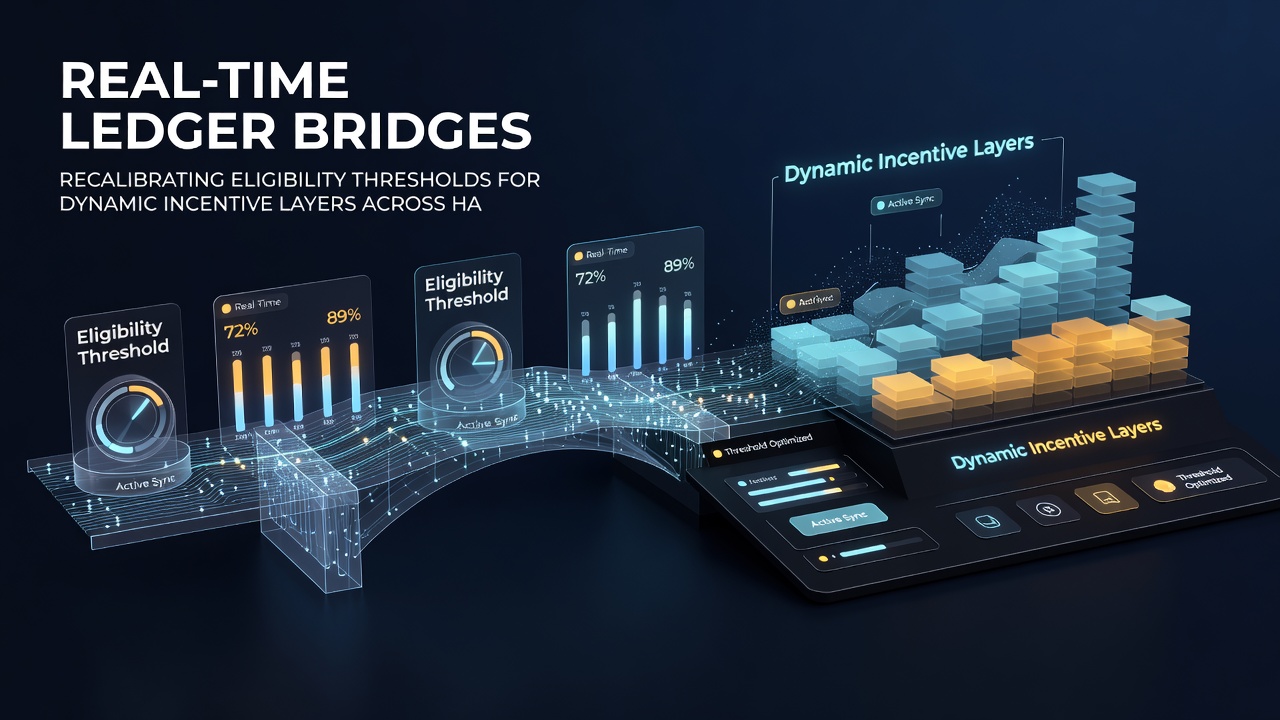
Industry reports indicate that operators deploying these bridges have recorded measurable changes in how frequently players advance between reward tiers, with the most significant shifts appearing in accounts that alternate between card and reel formats during single sessions. The architecture supports regional regulatory variations by maintaining separate threshold sets that activate based on device location signals verified through network data.
Current deployment patterns across regions
Platforms operating under oversight from the Nevada Gaming Control Board have incorporated ledger bridge recalibration features into several major mobile offerings by mid-2026, aligning system outputs with existing reporting requirements for player reward tracking. Similar implementations appear in jurisdictions where portable gaming volumes have grown steadily, including markets regulated through frameworks that emphasize real-time compliance monitoring.
Research from academic groups at institutions studying digital entertainment systems shows that bridge-driven recalibrations produce consistent data outputs suitable for audit trails, with timestamped eligibility changes logged at the moment thresholds update. These logs support verification processes required by multiple regulatory bodies without requiring separate data exports from each game server.
Technical considerations for sustained operation
Network latency management remains central to bridge performance because delays in ledger synchronization can freeze eligibility updates until connectivity stabilizes. Developers have addressed this through redundant routing paths that maintain partial functionality during brief outages, preserving the most recent verified thresholds until full reconnection occurs.
Security protocols embedded in these systems encrypt both the transaction payloads and the threshold adjustment commands, preventing unauthorized modifications during transmission between device and central ledger. Multiple encryption standards operate simultaneously to accommodate varying device capabilities across different handheld hardware generations still in active use.
Conclusion
Real-time ledger bridges continue to expand their role in managing eligibility for dynamic incentives across mobile card and reel ecosystems through automated threshold adjustments tied directly to live activity data. Deployment data collected through June 2026 demonstrates integration with existing payment and regulatory frameworks while maintaining compatibility across varied device types and regional requirements. Further refinements focus on reducing synchronization delays and expanding cross-format weighting models that treat card and reel participation within unified player profiles.