Synchronized Prize Mechanisms Driven by Real-Time Financial Bridges in Portable Entertainment Formats
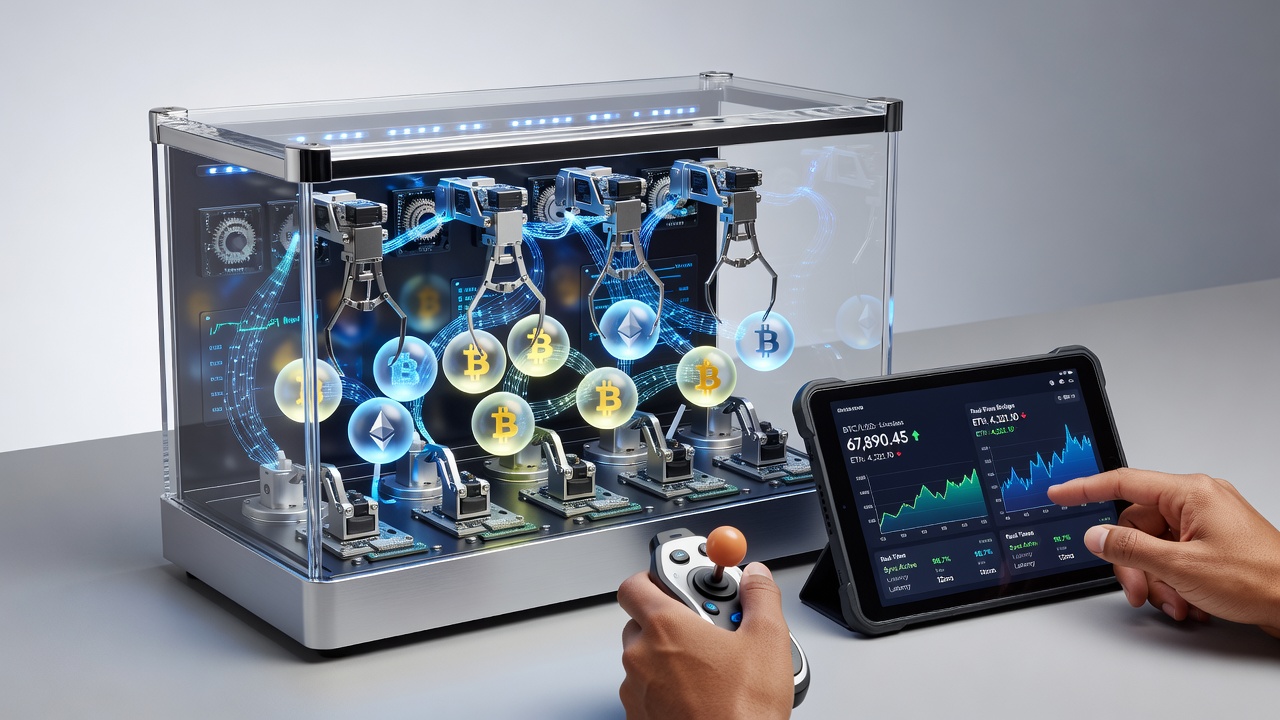
Portable entertainment formats have incorporated synchronized prize mechanisms that rely on real-time financial bridges to coordinate rewards across multiple user sessions and device types, according to industry reports from mid-2026. These systems process transactions instantaneously while aligning prize distributions so that participants receive coordinated outcomes regardless of whether they engage through smartphones, tablets, or connected wearables. Data from June 2026 shows increased adoption rates in regions where digital payment infrastructures support sub-second settlement times between entertainment providers and financial networks.
Core Components of Real-Time Financial Bridges
Real-time financial bridges operate through application programming interfaces that link entertainment platforms directly to banking rails and digital wallet processors, allowing prize pools to update without delays that previously separated transaction confirmation from reward allocation. Observers note that such bridges use encrypted data streams to verify funds movement while simultaneously triggering prize synchronization protocols that distribute awards based on collective user activity metrics rather than isolated individual results. Studies from research institutions in North America indicate these bridges reduce latency to under 200 milliseconds in optimized networks, which enables the precise timing required for synchronized events across geographically dispersed portable devices.
Mechanics Behind Prize Synchronization
Synchronized prize mechanisms function by maintaining shared state databases that multiple portable applications query in real time, ensuring that when one user completes a qualifying action the corresponding prize adjustments reflect across all connected sessions. Engineers have documented how these databases employ consensus algorithms similar to those in distributed ledger technologies, though adapted for entertainment rather than cryptocurrency applications, to prevent discrepancies during high-volume periods. In June 2026 several portable entertainment providers reported successful integration of these mechanisms with existing loyalty frameworks, resulting in coordinated prize releases that span different game formats without requiring separate manual interventions from operators.
Integration Across Device Ecosystems
Device ecosystems in portable entertainment now support cross-platform prize synchronization through standardized communication protocols that financial bridges activate upon transaction completion. Those who have examined implementation logs note that tablets and smartphones receive identical prize notifications within the same temporal window because the underlying financial bridge timestamps every settlement event and feeds that data into a central synchronization engine. Evidence from European regulatory filings reveals that platforms utilizing these methods achieved consistent prize delivery rates above 99.8 percent during peak usage hours in the first half of 2026.
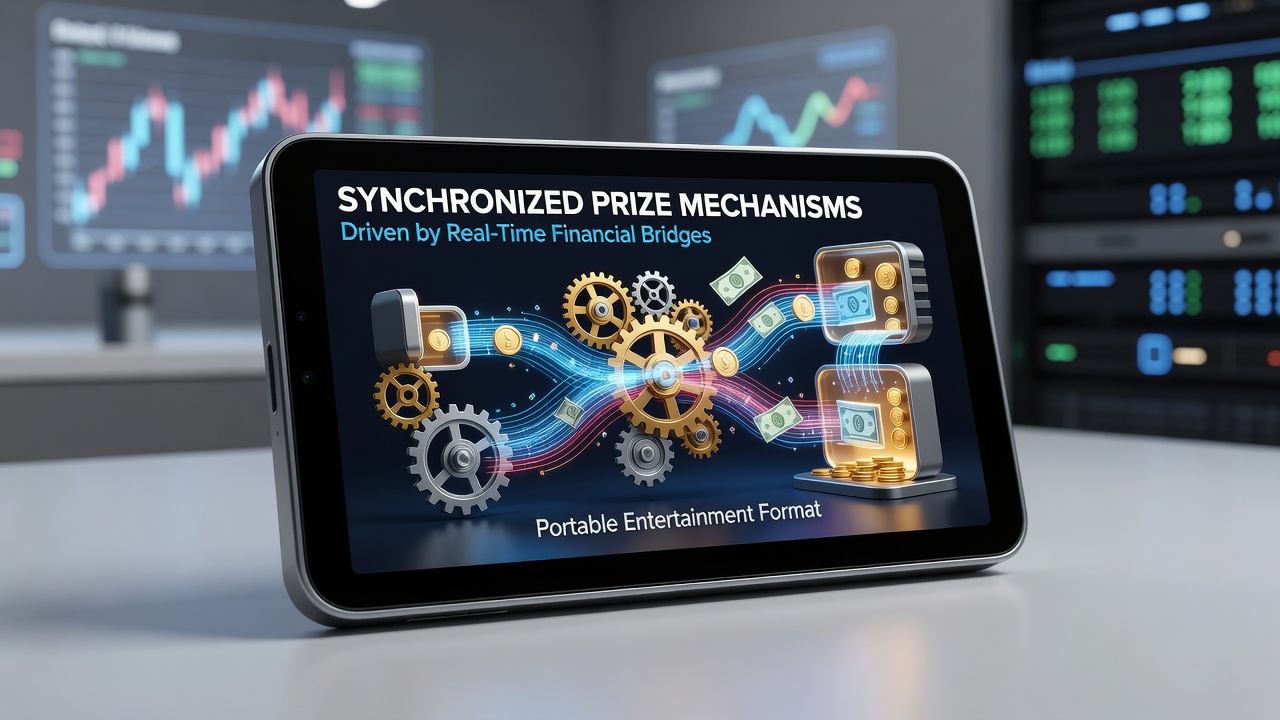
Regional Developments and Data Trends
North American markets recorded measurable growth in synchronized prize deployments during June 2026, driven by improvements in mobile network reliability that allow financial bridges to maintain stable connections even during user mobility. According to statistics released by the Pennsylvania Gaming Control Board, portable entertainment formats employing these mechanisms processed over 12 million synchronized transactions in the preceding quarter with minimal reconciliation errors. Meanwhile, developments in the Asia-Pacific region highlight similar patterns, where local financial infrastructure upgrades have enabled comparable systems to operate across national borders without currency conversion delays interrupting prize timing.
Security Protocols Supporting Synchronization
Security protocols embedded within real-time financial bridges incorporate multi-factor authentication layers and continuous transaction monitoring that protect synchronized prize data from unauthorized alterations. Researchers at academic institutions have published findings showing that these layered protections allow entertainment platforms to verify both the financial transaction and the subsequent prize distribution in a single atomic operation, reducing opportunities for discrepancies. Portable formats benefit particularly because the same verification sequence applies whether the user accesses content through cellular networks or local wireless connections, maintaining consistency across variable signal conditions.
Future Infrastructure Requirements
Expansion of synchronized prize mechanisms depends on continued upgrades to payment rails and device operating systems that support persistent real-time connections. Industry organizations such as the European Gaming and Betting Association have outlined infrastructure benchmarks that portable entertainment providers must meet to ensure financial bridges remain operational during simultaneous high-volume prize events. Data collected through June 2026 demonstrates that platforms meeting these benchmarks experience fewer interruptions in synchronization compared with those relying on legacy settlement methods.
Conclusion
Synchronized prize mechanisms driven by real-time financial bridges continue to evolve within portable entertainment formats as infrastructure and protocol standards advance. The coordination between instantaneous financial processing and multi-device prize alignment represents a technical integration that multiple regions documented throughout the first half of 2026. Ongoing developments in network capabilities and security frameworks support further refinement of these systems while preserving the factual performance metrics already observed in operational deployments.